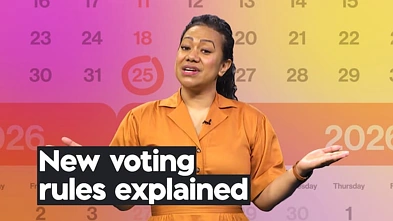
New Zealand advance voting begins: what you can and cannot do at the ballot box
HouGarden New Zealand, 26 October — The Electoral Commission has reminded the public that offering free food, drinks or entertainment within 100 metres of a voting place entrance could breach electoral law. The ban covers free food and drink other than water, and any form of entertainment during voting hours, unless it is provided by a business operating in its ordinary course of trade.
Advance voting runs from today through to election day on November 7. Enrolment closed at midnight on Sunday, meaning voters can no longer enrol or update their details. Anyone who enrolled after Writ Day on October 4 will be required to cast a special vote rather than an ordinary one.
Chief electoral officer Karl Le Quesne said voters can find their nearest voting place at vote.nz or by checking a list posted at their local supermarket. "During advance voting, look out for a list of your nearest voting places at your local supermarket as this is a really easy way to find out where to vote in your community," he said. Opening days and hours vary across the advance voting period, and the commission is urging people to check before they travel.
More than 2,300 voting places will be open on election day itself, situated in community halls, schools, shopping malls, places of worship, tertiary campuses and marae. The network includes more than 220 Whare Pōti Māori voting places, 67 of which are bilingual, allowing voters to go through the process in te reo Māori or English.
Accessibility provisions include 1,679 fully accessible voting places, New Zealand Sign Language interpreters at six locations, and three voting places that offer quiet times.
Campaigning is permitted during the advance voting period but is banned inside voting places and within 10 metres of their entrances. Campaign material, election-related demonstrations and megaphones are all prohibited in that 10-metre buffer zone. The commission's guidance states: "Don't influence voters or tell them to vote or not vote for a candidate or party."
Supporters may wear party lapel badges or rosettes, provided no candidate's name appears on them and they carry a promoter statement. Party colours on people or vehicles are allowed. Polling voters about how they voted is banned anywhere during the advance period. The commission said it does not actively monitor buffer zones but will respond to complaints.
Inside voting places, the commission is asking people not to film or photograph the process and to leave promptly after voting. Publishing an image of someone filling in their voting paper is a potential offence under electoral law.
Disruptive individuals will be asked to leave as a last resort; refusing to do so is an offence and may result in a referral to police. Staff will be identifiable by orange vests. The commission recommends bringing an EasyVote card to speed up the process and has asked voters to be patient, noting that many staff are working an election for the first time.