NZ First proposes tying work visas to occupation and region, not employers — but migrant advocates say racism mars the message
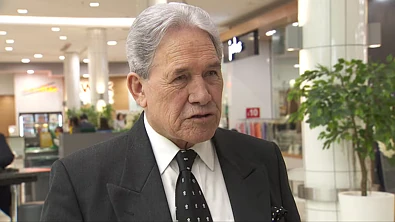
HouGarden New Zealand, 16 October — The AEWV is New Zealand's primary temporary work visa category, under which migrant workers are currently bound to the specific employer who hired them. NZ First leader Winston Peters announced at a Dunedin public meeting that he wants to end that arrangement, replacing it with visas tied to a worker's occupation and the region where they will work, rather than to a named business.
Peters argued that the current system had been turned into a routine recruitment channel, describing it as a 'back door' used to bring in friends and family or, in some cases, as a mechanism for exploiting staff. 'We are a country with an immigration system, not an international labour-hire agency with a flag,' he told the meeting. The policy would end work visas for most retail positions and restrict overseas recruitment to identifiable skills shortages rather than allowing migrants to fill 'ordinary jobs' as a general labour source.
The Migrant Workers Association, which advocates for migrant rights, said the proposal echoed calls it had been making for years. Association president Anu Kaloti said on the surface the plan appeared to be an improvement on the status quo and aligned with submissions the group had made in previous public consultations. 'We were also proposing similar, that the bottom line basically is that any kind of bondage must stop — tying migrant workers to single employers is where most of the exploitation is happening,' she said.
Kaloti said that if enacted, however, the policy might prove too little, too late. She said exploitation among migrant workers had become rampant in recent times and now increasingly extended to human trafficking and money-laundering. She also called for unions to be given a greater formal role. 'I know when I say mandatory unionisation of migrant workers, most people probably get very nervous when I use those two words, but I think that needs to be trialled,' she said.
Kaloti was direct about why NZ First's proposal did not satisfy her organisation. Peters and deputy leader Shane Jones have made remarks about Indian and Chinese migrants that critics, including migrant advocacy groups, labelled as racist and xenophobic. For New Zealand's Chinese community, those comments are particularly relevant: both men have specifically referenced Chinese migration in terms widely condemned as inflammatory. Kaloti said the policy announcement could not be separated from that context. 'Unless Winston, Shane Jones, and generally New Zealand First address their racism and xenophobia, announcements like this are not really going to pacify any of the migrants,' she said. 'It just seems, it just sounds a bit rich coming from them.' She acknowledged the policy was 'possibly better than the current situation' but said it would not repair the damage done among migrant voters.
Immigration adviser Arunima Dhingra offered a different kind of criticism, focused on stability rather than rights. She said the immigration system could not withstand a comprehensive rebuild every election cycle, because employers, advisers and migrants all depended on certainty. 'It would be like putting an axe through the heart of the immigration system,' she said. 'It is one of the core temporary visa policies. And this is what New Zealand employers have taken many, many years to get used to. And they've introduced systems in their businesses to be compliant with immigration.'
Dhingra warned that dismantling the existing AEWV framework without a detailed understanding of its complexity would be irresponsible. 'There are so many layers within the instructions and the policies and the processes and you cannot responsibly propose dismantling an entire framework without understanding those intricacies and identifying precisely where the problems have been,' she said. She also noted that decoupling an employer from a worker they had gone through extensive steps to hire could disadvantage the business. 'It's not just about protecting that individual person, but also protecting and looking after New Zealand businesses,' she said.
Dhingra added that the current AEWV framework already contained many of the safeguards Peters was calling for, including labour market testing requirements that employers must satisfy before hiring from overseas.
NZ First did not respond to requests for comment on the policy rationale or on its similarity to proposals long advanced by pro-migration advocates. The proposal is a pre-election policy announcement and has not been introduced as legislation. It would require parliamentary passage to take effect.