A comprehensive wrap of the week's biggest Australian property and finance stories: interest rates at a 15-year high threatening a 15 per cent house-price slide, childcare costs surging 86 per cent, HealthCo resuming distributions after the Healthscope collapse, the RBA's October chart pack dissected, and Gold Coast luxury tower Le Rêve selling more than half its apartments within six months.
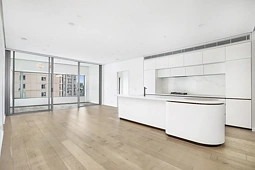
Developer ODUS has sold more than half the apartments in Le Rêve, a 26-storey luxury beachfront tower at Main Beach on Queensland's Gold Coast, in under nine months. The off-the-plan project, due for completion in 2028, occupies a 30-metre-wide beachfront block with no road or park separating it from the sand. Buyers are coming from across Australia and overseas, mostly seeking a holiday base or permanent residence.
Australia's economy expanded 2.1 per cent in annual terms to June 2026, but persistent inflation and three Reserve Bank interest rate rises this year are squeezing household budgets and weighing on the property market. The residential sector remains underpinned by a structural housing shortfall estimated at more than 250,000 dwellings, while the labour market has held up with an unemployment rate of 4.6 per cent in trend terms. A scenario modelled in the report involving a US-Israel military conflict with Iran adds a significant geopolitical risk to an already uncertain global outlook.
The annual cost of raising one child in Australia has risen to A$17,800, up 86% from A$9,476 in 2003, according to analysis commissioned by an advocacy group. Only about one in five Australian households now has a full-time stay-at-home parent, down from more than half in 1980. Families interviewed by the Daily Telegraph describe selling investment properties, taking on debt, and cutting everyday spending to keep one parent at home.
The Reserve Bank of Australia has raised its official cash rate to 4.6%, the highest level in 15 years and the fourth increase this year, squeezing mortgage borrowers already under financial strain. AMP chief economist Shane Oliver has forecast that Australian house prices nationally could fall between 10% and 15% by the end of 2027. A Western Australia survey meanwhile found more than three-fifths of respondents are under financial stress, with 38% spending more than they earn.